


The Timeless Shine of Silver in Amazigh Jewellery
For the Amazigh people, jewellery has always been more than decoration. It is identity, memory, and protection. At the heart of this tradition lies one precious material : silver.
A Metal of Meaning
Unlike gold, which was historically favored in urban settings, silver became the sacred metal of choice for rural Amazigh artisans. Treasured for its white luster symbolizing lunar energy, modesty, and divine purity, silver was worn directly against the skin as both daily adornment and spiritual protection. It served as a powerful vessel for baraka (blessings) and an apotropaic shield against misfortune and the evil eye, a material tradition detailed in historical archives on Jewellery of the Berber cultures.
Key Facts : The Spiritual Power of Amazigh Silver
-
The Sacred Metal: Silver (anzar), traditionally associated with lunar energy, purity, and spiritual protection.
-
The Cultural Contrast: Historically preferred over gold, which was viewed with more caution by rural Amazigh communities.
-
Core Symbolism: Acted as a physical canvas for etching geometric family lineages, fertility symbols, and tribal codes.
-
Modern Renaissance: Reimagined today in versatile, high-quality finishes that preserve ancient protective forms for everyday life.
An Heirloom Through Generations
Amazigh women traditionally wore silver jewels to mark life's milestones: marriage, motherhood, and family celebrations. Each piece was carefully handcrafted and passed down as a treasured heirloom.
The weight of the jewellery was not just in grams but in memories, a reminder of mothers, daughters, and grandmothers who wore them before, acting as a woman's secure, portable wealth across generations.
Symbols Etched in Silver
From engraved geometric motifs to protective charms like the Fatma hand (Khamsa), silver became a canvas for Amazigh symbolism. As we explore in our guide on the Amazigh symbols, these motifs carried messages of fertility, resilience, and belonging, transforming each jewel into a story told without words.
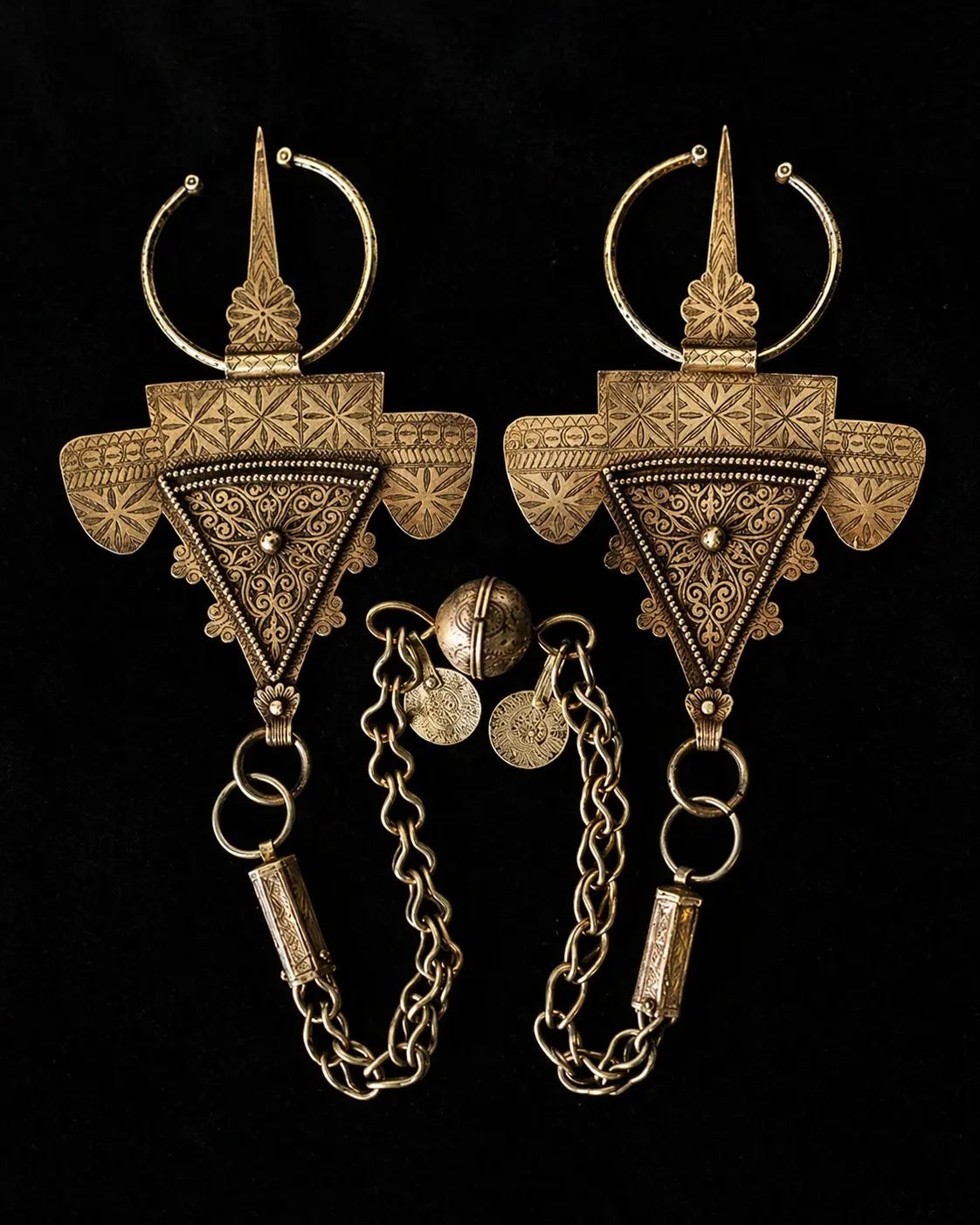
This metallic heritage is part of the broader story we honor in our Glamazigh Journal. From the heavy, hand-carved silver born in the souks of Tiznit to the vibrant enamel brooches of Kabylie, these regional techniques transformed silver into more than a metal, turning objects like the traditional fibula into wearable pieces of history.
Silver Today
Even in modern times, silver continues to be the soul of Amazigh jewellery. Its cool shine reflects both heritage and timeless style, making it as relevant on today's streets as it was in the villages of centuries past.
At Glamazigh, we embrace this tradition, honouring silver not only for its beauty but for the history it carries within every piece. We bring this ancestral shine into contemporary fashion through lightweight, tarnish-free designs.
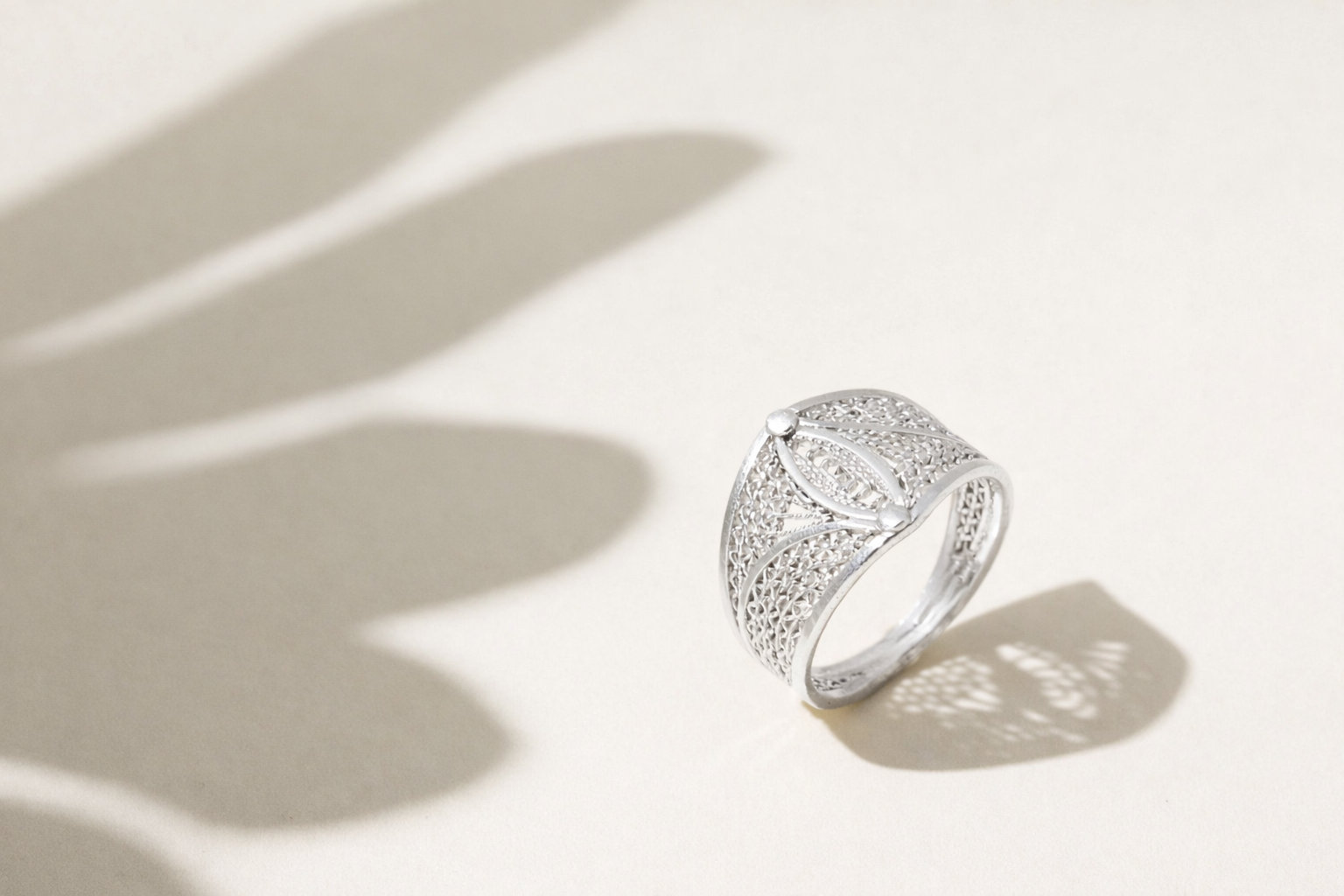
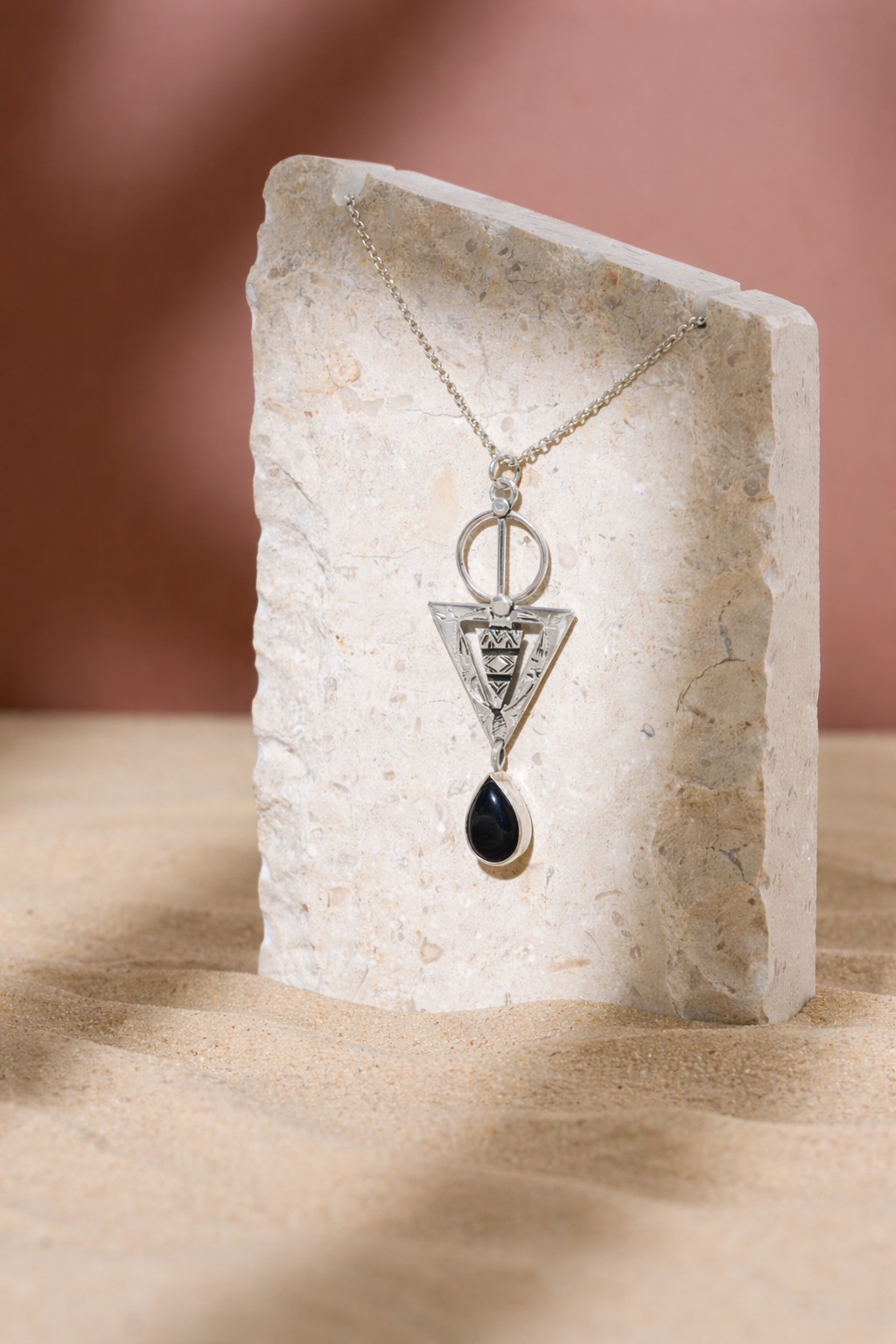
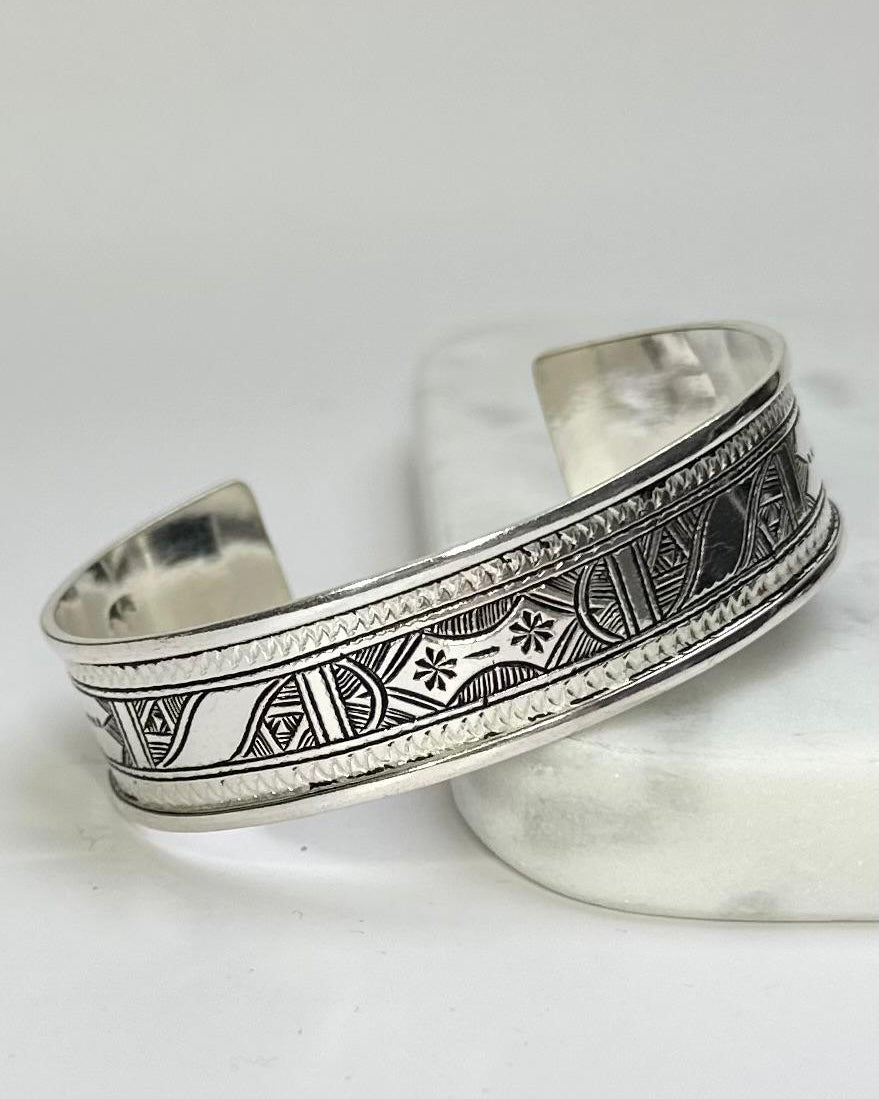
You can explore these historic motifs woven into a delicate amazigh necklace or a classic moroccan necklace silver, and complete your daily look with our structural amazigh bracelets or handcrafted amazigh rings.