


Who Are the Amazigh People (Imazighen)?
At Glamazigh, our jewellery is deeply inspired by the heritage of the Amazigh, also known as the Imazighen. To look at our handcrafted pieces is to appreciate a legacy, but to truly wear them, you must first understand the people who birthed this art.
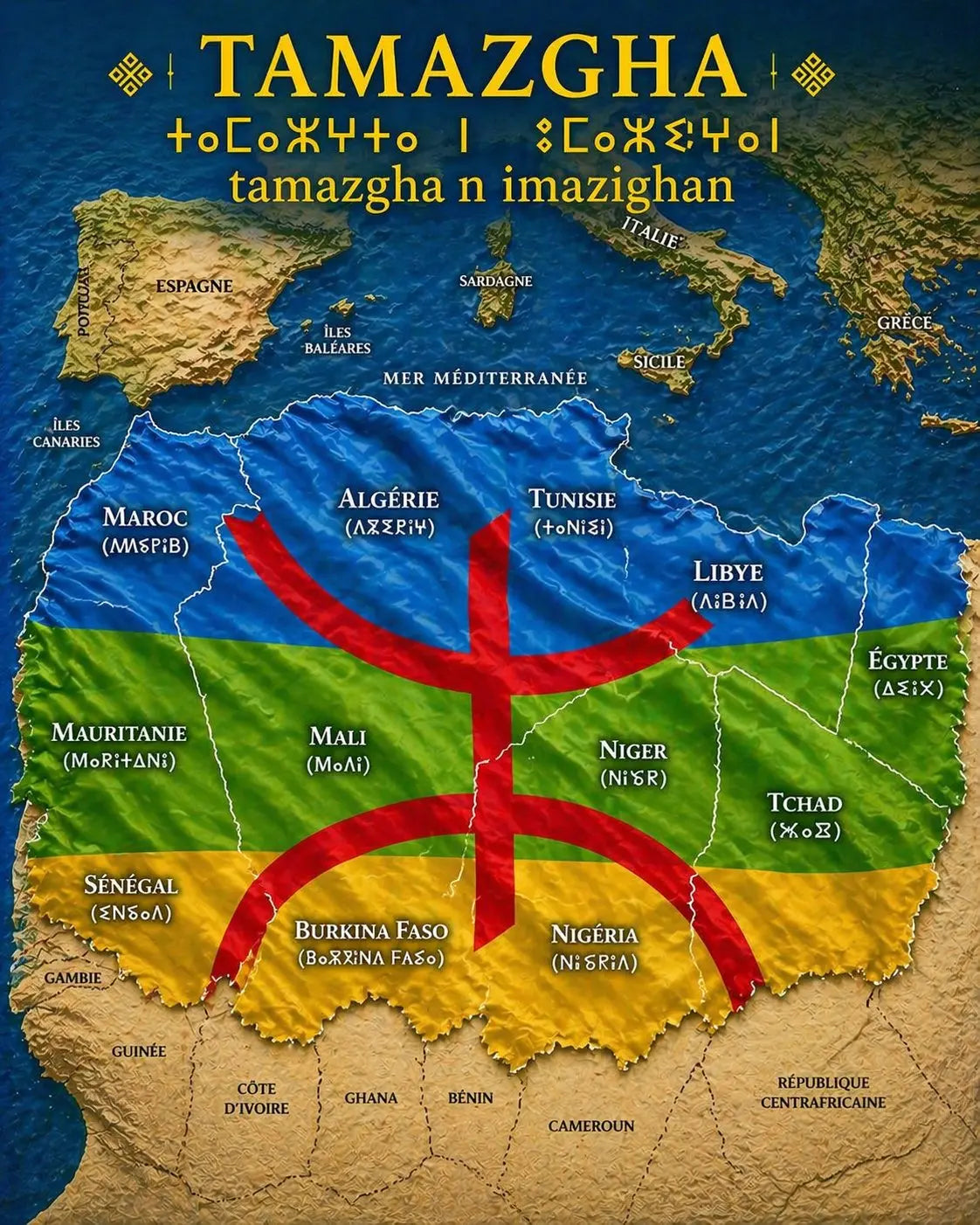
Across North Africa, spanning from the Atlantic coast of Morocco to the Siwa Oasis in Egypt, and from the Mediterranean sea down through the vast sands of the Sahara, lies the ancestral homeland of the Amazigh people.
The People of Freedom
For millennia, outside cultures referred to them as "Berbers" a term many linguists believe derives from ancient external labels, though its precise origin remains debated among historians. They have always called themselves Imazighen (singular: Amazigh), a proud title that translates directly to "the free people" or "noble people".
Far from being a monolithic group, the Imazighen comprise diverse, resilient communities across North Africa, each with its own regional customs and artistic traditions:
-
Northern Morocco: Rifian (Tarifit)
-
Central Morocco: Central Atlas Tamazight
-
Southern Morocco: Shilha (Tashelhit)
-
Northern Algeria: Kabyle
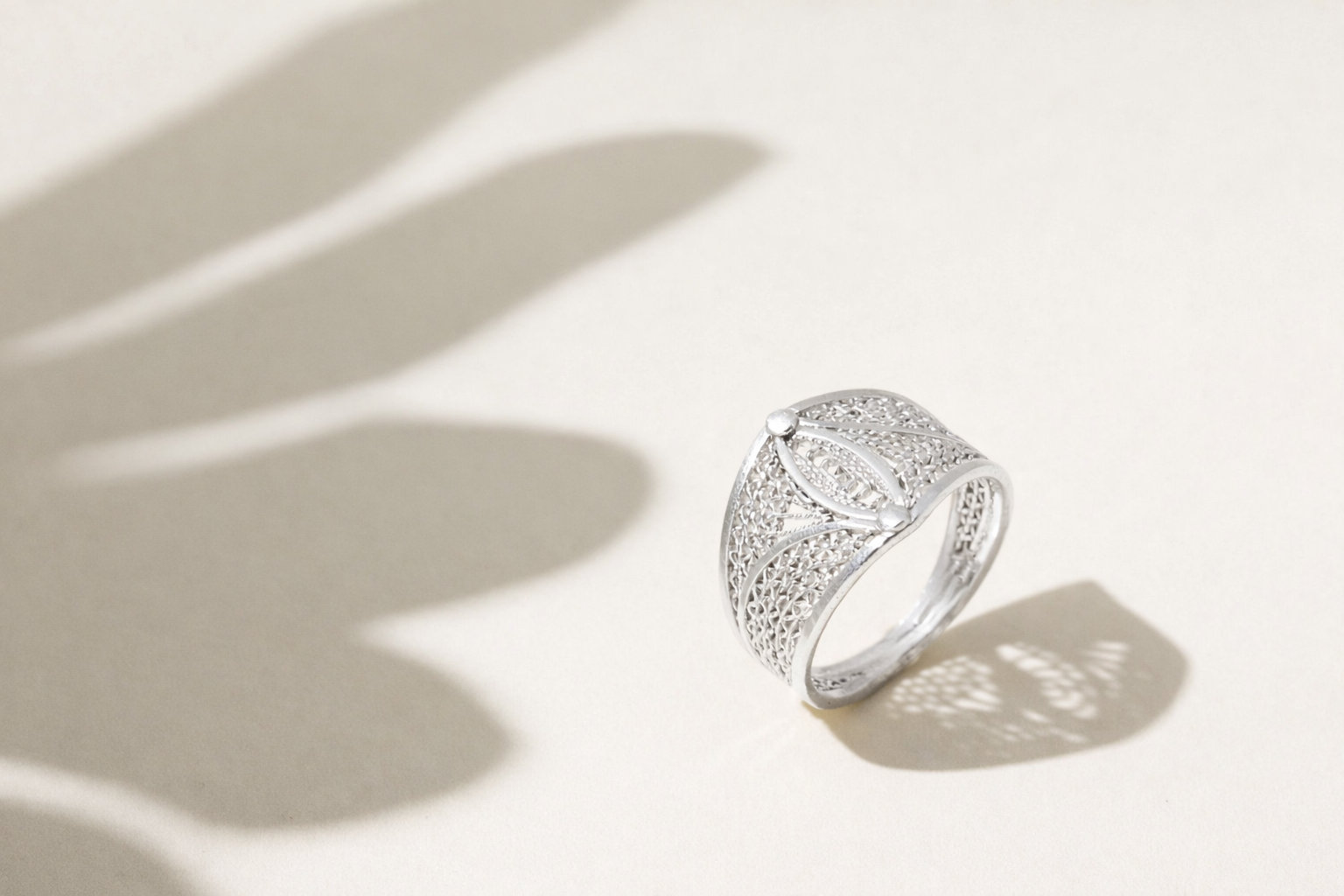
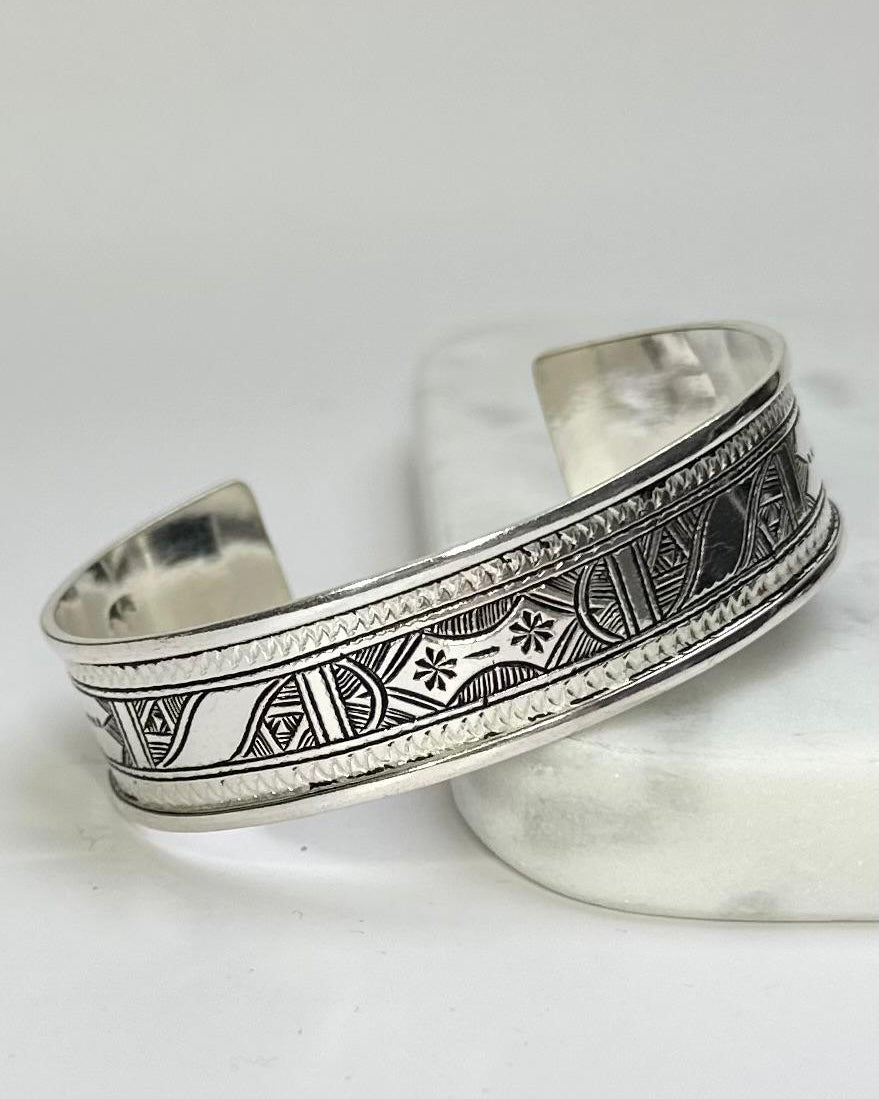
Bound together by a shared linguistic root, they maintain an unbreakable connection to the land, from the northern coasts to the nomadic Tuareg of the deep desert. This regional diversity is exactly what shapes the distinct crafting techniques we introduce in Glamazigh Journal, where heavy, ancestral silver inspired the minimalist silhouettes of our current amazigh bracelets and statement amazigh rings.
A Living Language & Written Legacy: The Tifinagh Script
The Amazigh speak Tamazight and related dialects, part of a rich Afro-Asiatic language family. One of the most remarkable indicators of their endurance is their unique writing system: Tifinagh (ⵜⵉⴼⵉⵏⴰⵖ).
Far from being a purely decorative motif, Tifinagh is one of the world's oldest scripts, with roots tracing back to ancient Libyco-Berber inscriptions found on rock faces and monumental tombs dating to the first millennium BCE. The preservation of this ancient alphabet is a triumph of cultural survival, a narrative documented by international linguistic bodies like the Atlas of Endangered Alphabets.
ⵣ · The Yaz Icon: Graphic Heart of Freedom
At the heart of this ancient alphabet lies its most vibrant letter: the Yaz (ⵣ). Corresponding to the "Z" sound, the Yaz has evolved from a phonetic character into a proud global emblem of identity and resilience.
As the ultimate cultural icon of the Imazighen, the geometric form of the Yaz symbol represents the structural shape of the "free man." It depicts a figure with arms proudly raised toward the sky to claim liberty, and legs firmly planted in the ancestral earth, a visual synthesis of resilience, beauty, and human dignity.
We capture this raw, earthy strength across our entire modern amazigh jewellery collection, translating ancient geometric lines into everyday pieces.
Key Facts: The Amazigh Identity
-
True Name: Imazighen ("the free people"), a self-designation celebrating liberty, often used in place of external labels.
-
Geographic Footprint: A vast indigenous homeland extending from the Atlantic coast of Morocco to Egypt and down through the Sahara.
-
Linguistic Heritage: Bound by the Tamazight language family, preserved through rich oral poetry, music, and storytelling traditions.
-
Sacred Script: Tifinagh (ⵜⵉⴼⵉⵏⴰⵖ), an ancient geometric alphabet experiencing a powerful modern renaissance.
-
The Yaz Symbol (ⵣ): The ultimate emblem of freedom, representing the "free man" rooted in the earth and reaching toward the sky.
Wearing the Living Story
Over centuries, the Amazigh have faced immense challenges yet remained steadfast in preserving their culture. Today, their language and traditions are experiencing a historic revival, embraced in North Africa and by global communities in major cities worldwide.
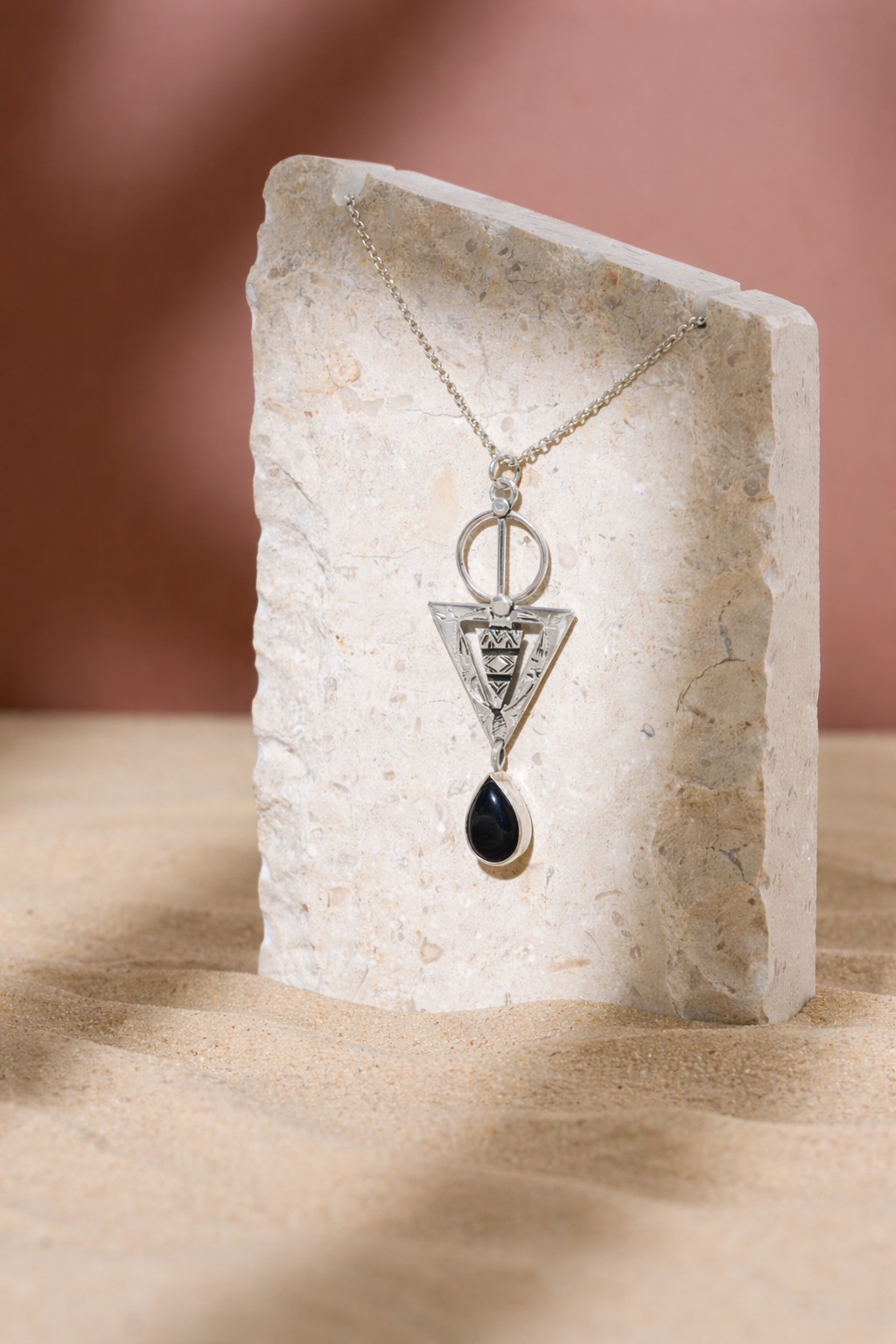
This same cultural movement is bringing traditional silver motifs and iconic symbols like the ancestral Jalila earrings back into modern wardrobes. We echo this revival by designing versatile pieces for everyday wear whether it is a delicate amazigh necklace resting near your heart or lightweight amazigh earrings crafted to elevate a simple blazer or evening outfit.
To us at Glamazigh, Amazigh culture is not just history, it is a living inspiration. Every jewel we share carries a piece of this resilience, beauty, and freedom. Bold by nature, just like the Imazighen themselves.